Start with the use case, not the technology
The single most common mistake in industrial IoT implementations is starting with the sensors and asking what you can do with the data. The right approach is to start with the operational problem and ask what data you need to solve it.
The highest-value starting points for most industrial businesses are: predictive maintenance (monitoring equipment health to prevent unplanned downtime), energy optimization (tracking and reducing energy consumption by asset and by zone), and safety monitoring (detecting unsafe conditions before incidents occur).
Pick one. Implement it completely. Then expand.
The four infrastructure layers you need
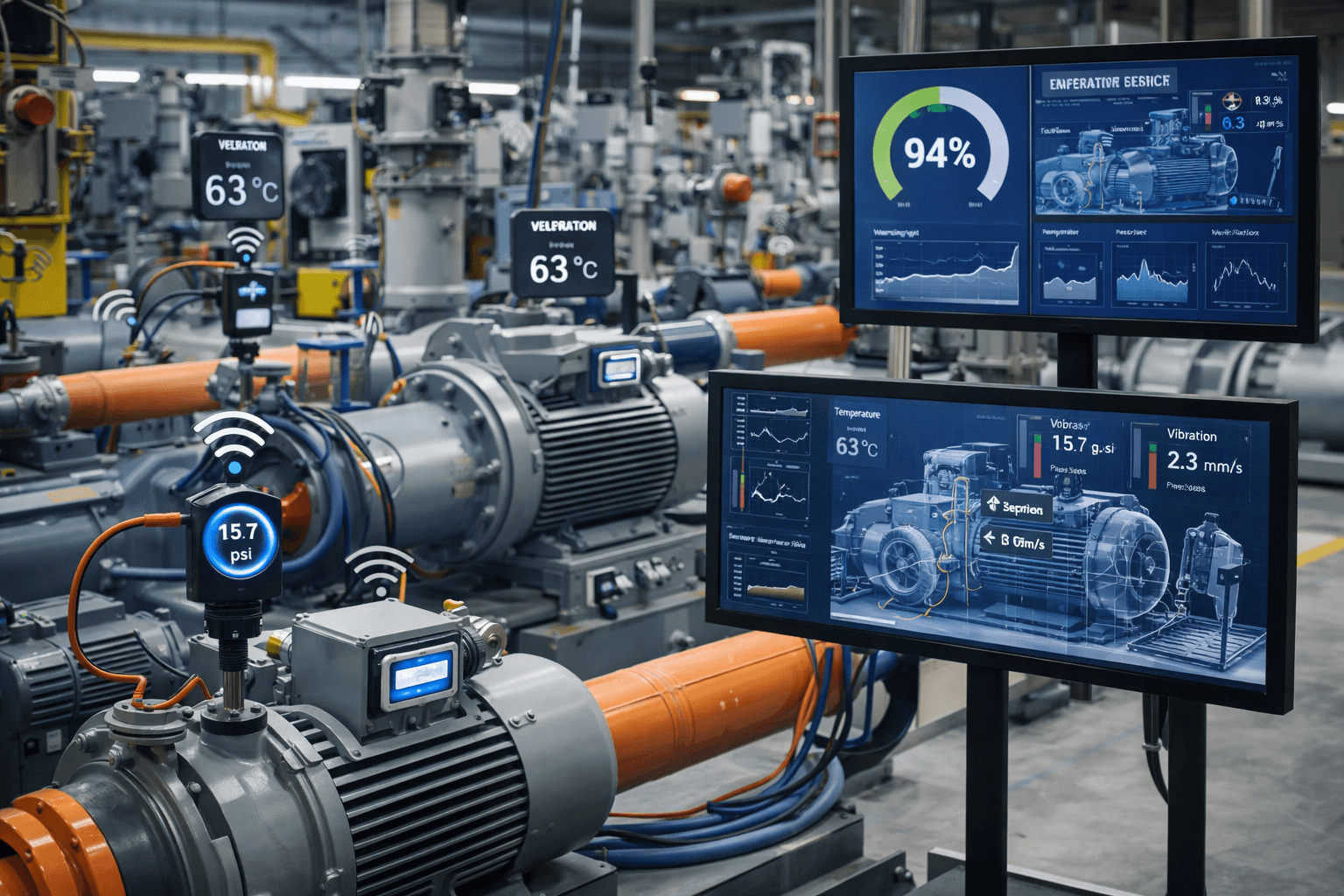
Layer 1: Devices and sensors. The physical hardware that collects the data. Selection depends on what you are measuring, the environment, the connectivity available, and the power constraints.
Layer 2: Connectivity. How data moves from devices to the cloud. Options include WiFi, cellular (4G/5G), LoRaWAN for long-range low-power applications, and hardwired where available.
Layer 3: Cloud platform. Where data is ingested, stored, and processed. AWS IoT Core, Azure IoT Hub, and Google Cloud IoT are the three primary enterprise options.
Layer 4: Analytics and alerting. The dashboards, ML models, and alerting systems that turn raw sensor data into decisions and actions.
Common implementation mistakes and how to avoid them
Deploying sensors without defining what data you need and why
Choosing connectivity before assessing the environment and constraints
Building a custom cloud platform instead of using a managed IoT service
Collecting data with no plan for how it will be analyzed or acted on
Skipping security implementation until after deployment
"The businesses that get IoT right are the ones that treat it as a systems integration project, not a hardware purchase."
Getting started with Agintex
Agintex handles the full IoT implementation stack from device strategy and firmware through cloud platform setup, AI integration, and monitoring dashboards.
If you want to assess where to start for maximum impact in your specific environment, book a free IoT strategy call. We will tell you exactly what is involved and what to expect.
About author
Nadia leads data engineering and machine learning at Agintex. She writes about the data infrastructure, IoT data pipelines, and ML practices that make AI systems reliable, accurate, and production-ready.

Nadia Osei
Data and ML Lead
Subscribe to our newsletter
Sign up to get the most recent blog articles in your email every week.